News
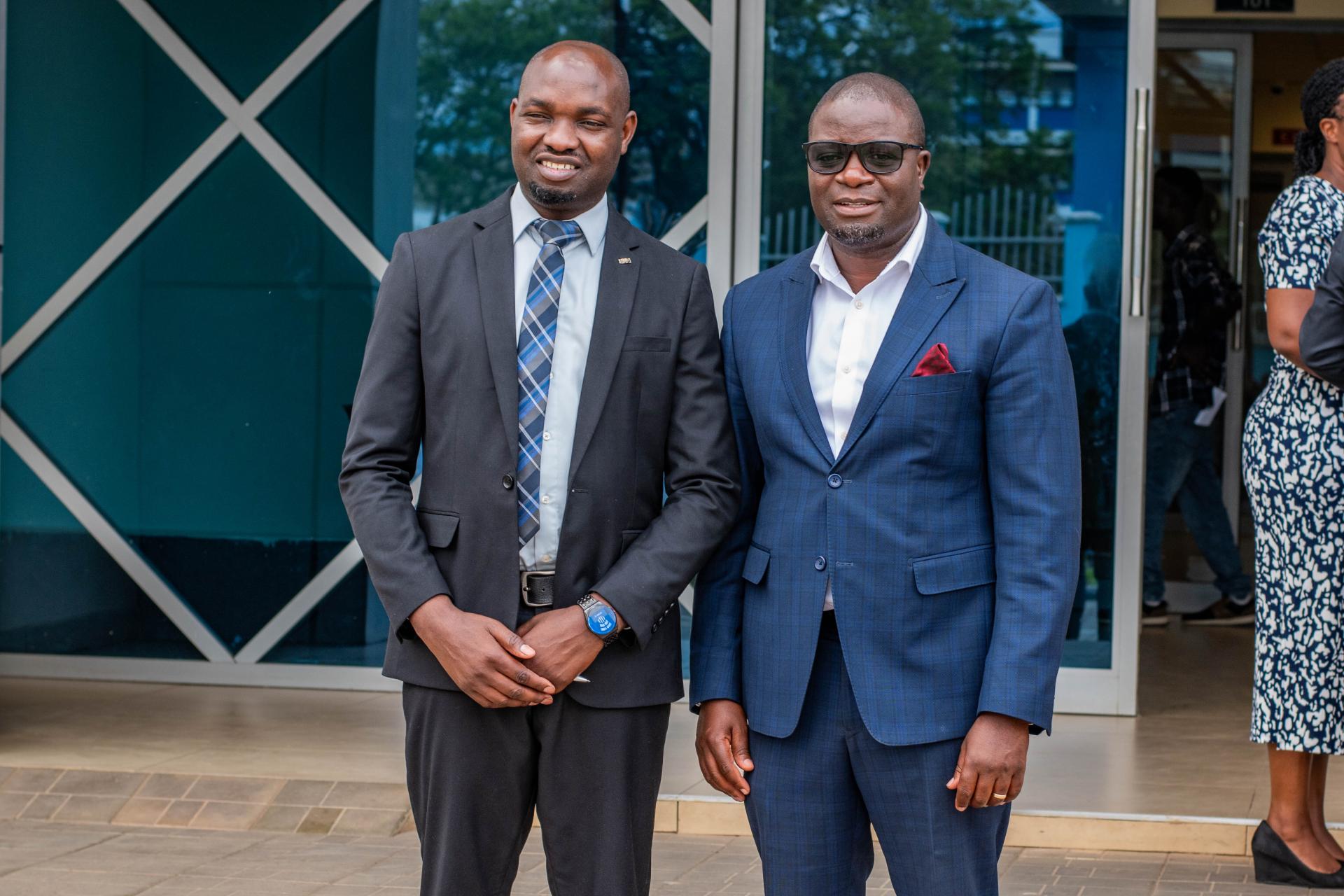
Chiumia’s research, titled “Determinants, Constraints, and Market System Dynamics of Household Clean Cooking Fuel Transitions in Urban Malawi,” examines the socioeconomic, behavioural and market-system factors influencing households’ decisions to adopt cleaner cooking alternatives in urban Malawi.
The study employs a mixed-methods approach, combining household surveys and enterprise-level data to investigate why biomass fuels continue to dominate household cooking despite the availability of alternative energy sources.
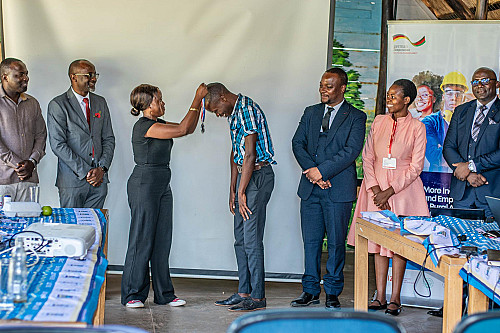
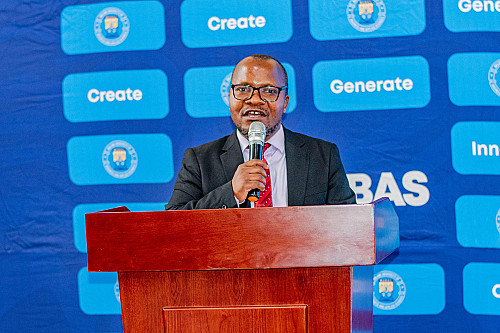
Speaking after successfully defending his thesis during a PhD Viva Voce held on 4 November 2026, under the university’s School of Business and Economic Sciences (SOBES), Chiumia described his four-year doctoral journey as challenging but rewarding.
“I am very excited because I have spent four years working on my doctoral research. My journey was rough, starting with developing the proposal and identifying gaps in the sector. I had to read extensively to understand why biomass continues to dominate despite the availability of alternative cooking fuels,” he said.
Chiumia explained that his research has developed a framework that entrepreneurs, policymakers and other stakeholders can use to understand the clean cooking market, identify existing gaps and explore opportunities for investment and intervention.
He noted that the findings could help entrepreneurs interested in the clean cooking sector identify market demand and assess which alternative fuel business models present viable investment opportunities.
“This is an opportunity for entrepreneurs to enter the clean cooking business space and make money whilst addressing energy challenges in Malawi and beyond,” he said.
The research brings together socioeconomic factors, barriers to adoption and entrepreneurial models to explain how households in urban Malawi can transition from reliance on biomass fuels to cleaner cooking alternatives.
At the policy level, Chiumia said the findings could inform interventions aimed at addressing the country’s energy challenges by helping decision-makers better understand household energy choices and the barriers preventing people from adopting cleaner alternatives.
He added that the research could contribute to more informed approaches to clean cooking by linking household needs with business opportunities and appropriate policy responses.
Reflecting on his academic journey, Chiumia acknowledged the support he received from MUBAS, particularly SOBES, fellow postgraduate students and support staff from various university departments.
Chiumia’s research was supervised by renowned economics scholar Associate Professor Betchani Tchereni.
Similar Posts




Latest News
All news