News
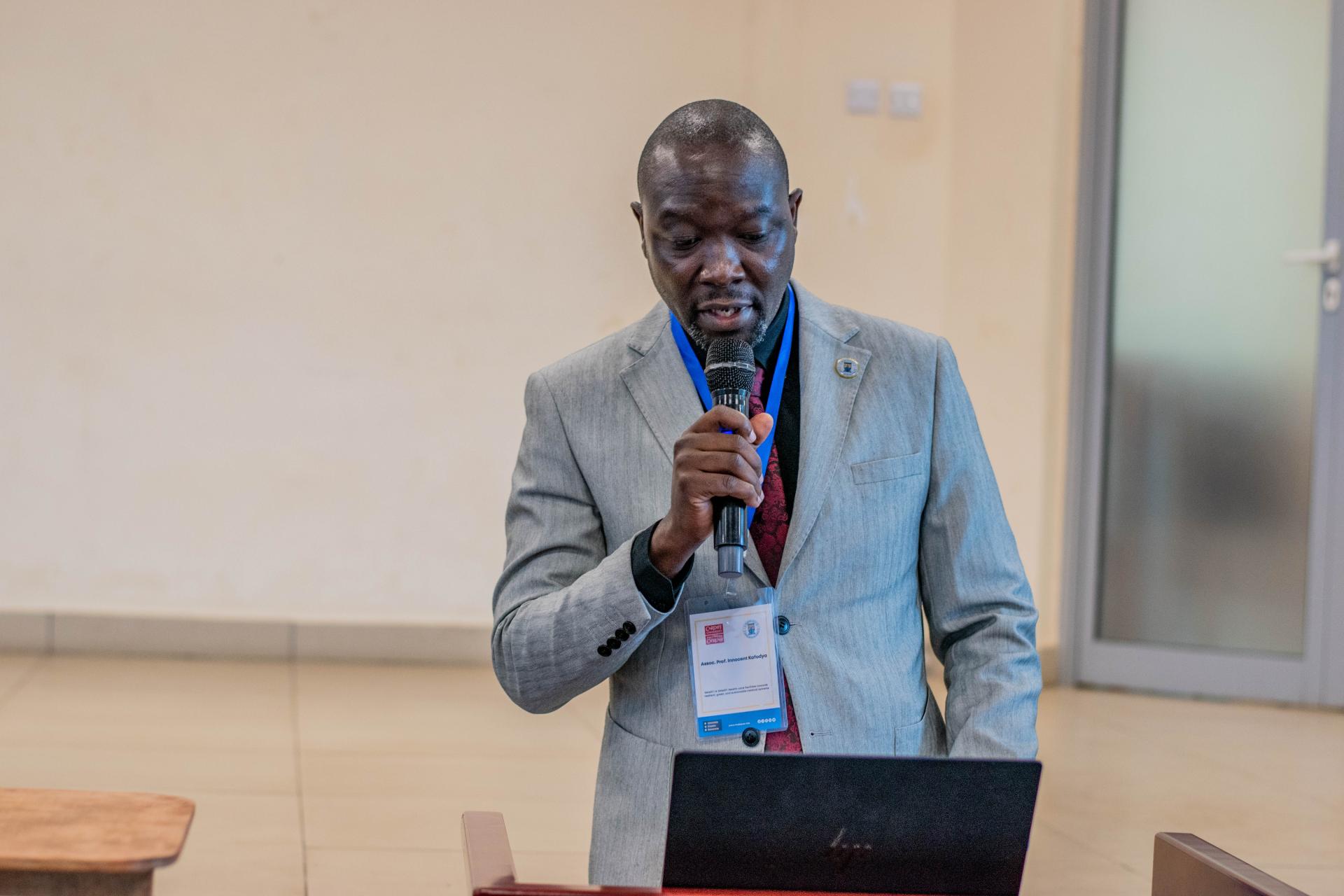
The call was made during a two-day workshop held at the Malawi University of Business and Applied Sciences (MUBAS) from July 14–15, 2026 under the SMART-H (SMART Health Care Facilities Towards Resilient, Green, and Sustainable Medical Systems) project.
The workshop brought together experts to discuss how research, particularly in engineering, can help strengthen the resilience of hospitals and other health facilities against natural disasters.
Participants noted that recurring floods and cyclones continue to destroy critical health infrastructure, disrupt the delivery of health services, and claim lives. They stressed that closer collaboration between researchers and policymakers is essential to translate scientific evidence into practical solutions that can reduce disaster risks and improve the resilience of the country's health system.
Research conducted under the SMART-H project found that many health facilities in Malawi face significant structural challenges due to ageing infrastructure, inadequate maintenance, and increasing demand for health services. These factors leave the facilities highly vulnerable to climate-related disasters.
Participants cited Cyclones Idai and Freddy as among the disasters that caused extensive damage to Malawi's critical infrastructure, including hospitals, roads, and energy systems, highlighting the urgent need for more resilient public infrastructure.
One of the project's lead researchers, Associate Professor Innocent Kafodya from MUBAS, said the SMART-H project has developed a multidisciplinary framework for assessing the resilience of health care facilities based on structural safety, service capacity, and community needs, among other factors.
He said the project has now progressed to its next phase, known as SMART-Impact, which seeks to transform research findings into practical interventions.
"The focus is now on identifying the appropriate mechanisms that can support the development of more resilient health care infrastructure through effective policy frameworks, strategic investment, planning, and practice," said Kafodya.
The SMART-H project is a collaboration between Cardiff University of the United Kingdom, the Lilongwe University of Agriculture and Natural Resources (LUANAR), and the Malawi University of Business and Applied Sciences (MUBAS). The initiative is supported by Arup International Development, Ariel Re, and the EPSRC Impact Acceleration Account (IAA).
`
Similar Posts