News
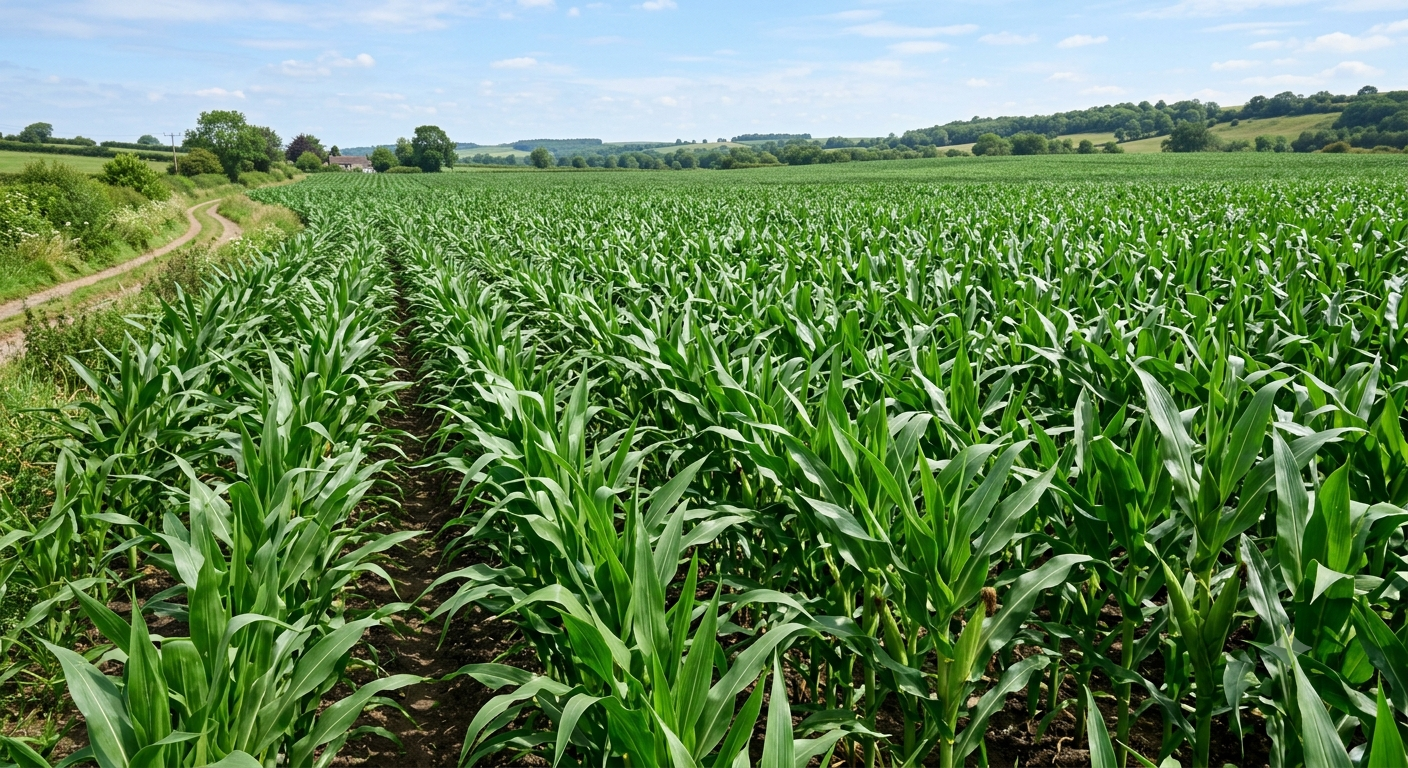
At its farm in Nanjiri, MUBAS cultivates maize as part of its agricultural activities. The farm provides an opportunity for the university to promote responsible land management while producing food through farming practices that support the long-term health and productivity of the land.
Sustainable farming is important for conserving ecosystems and protecting the natural resources on which food production depends. By maintaining agricultural land and promoting responsible farming practices, the MUBAS Nanjiri farm contributes to soil conservation, reduces pressure on natural ecosystems, and supports the sustainable use of land.
The farm also provides a practical environment where sustainable agriculture can be demonstrated and encouraged within the university community. Through such initiatives, MUBAS links food production with environmental stewardship, showing that agricultural activities can contribute to both food security and the protection of land resources.
MUBAS’s commitment to sustainable food production complements its wider environmental conservation efforts, including tree planting and initiatives aimed at protecting and restoring ecosystems. Together, these activities demonstrate the university’s commitment to SDG 15 and its target of conserving, restoring, and sustainably using terrestrial ecosystems.
Through the Nanjiri farm and other environmental initiatives, MUBAS continues to promote responsible land use and sustainable practices that help protect soil, support biodiversity, and preserve natural resources for present and future generations.
Similar Posts