
News
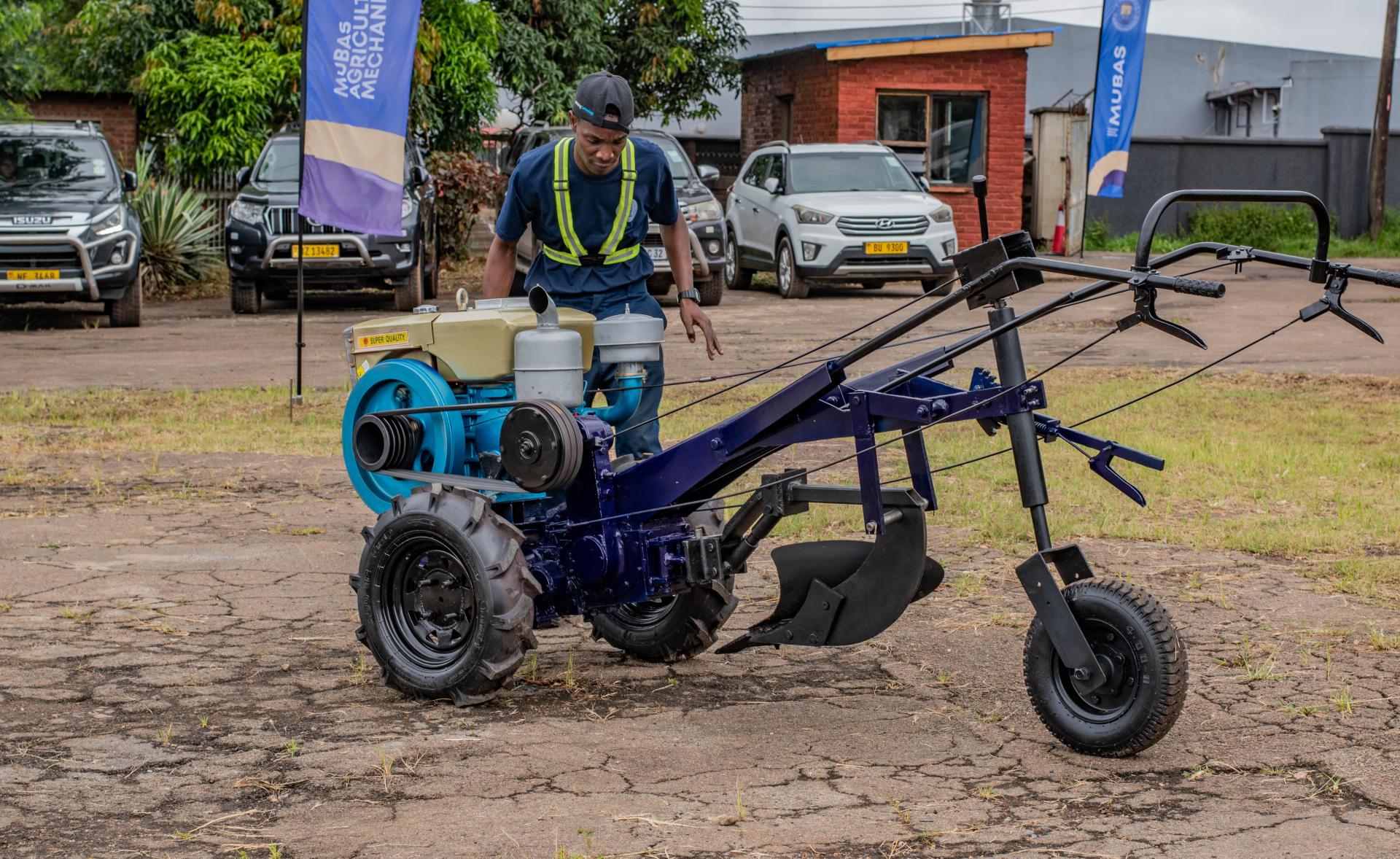
Through AMPP, MUBAS is focusing on the local design, development, fabrication, and testing of agricultural machinery that is appropriate for Malawi’s farming conditions. The project aims to reduce reliance on imported equipment by developing cost-effective and user-friendly technologies that farmers can easily access and utilize. This approach ensures that innovation is directly linked to local needs, especially those of smallholder farmers who form the backbone of the country’s agricultural system.
As part of its achievements, the project has successfully designed, fabricated, and tested a range of agricultural machinery, including tractors, planters, harvesters, and threshers. These innovations are playing an important role in improving efficiency across different stages of agricultural production, from land preparation and planting to harvesting and post-harvest processing. By reducing the time and labour required for these activities, the machinery contributes to increased productivity and helps minimize post-harvest losses, which are a major challenge in Malawi’s food systems.
In addition to technological development, AMPP serves as an important capacity building platform within the university. The project provides students, interns, engineers, and technicians with hands-on practical experience in key areas such as machinery design, prototyping, fabrication, and field testing. This experiential learning process strengthens technical competencies while also allowing participants to actively contribute to real-world solutions aimed at improving agricultural production and food security.
The project is implemented in collaboration with key stakeholders, including Chitedze Agricultural Research Station, the National Economic Empowerment Fund (NEEF), and farming communities engaged in field validation activities. These partnerships are critical in ensuring that the technologies developed are tested, refined, and adapted to meet the actual needs of farmers. Through field demonstrations and real-world testing, the project is able to assess machinery performance under practical farming conditions and make continuous improvements.
By improving access to affordable and locally developed agricultural machinery, AMPP has the potential to significantly enhance agricultural productivity, reduce food losses, and strengthen food availability at both household and national levels. The project directly contributes to building more efficient and resilient food systems by addressing key bottlenecks in agricultural production.
Similar Posts