News
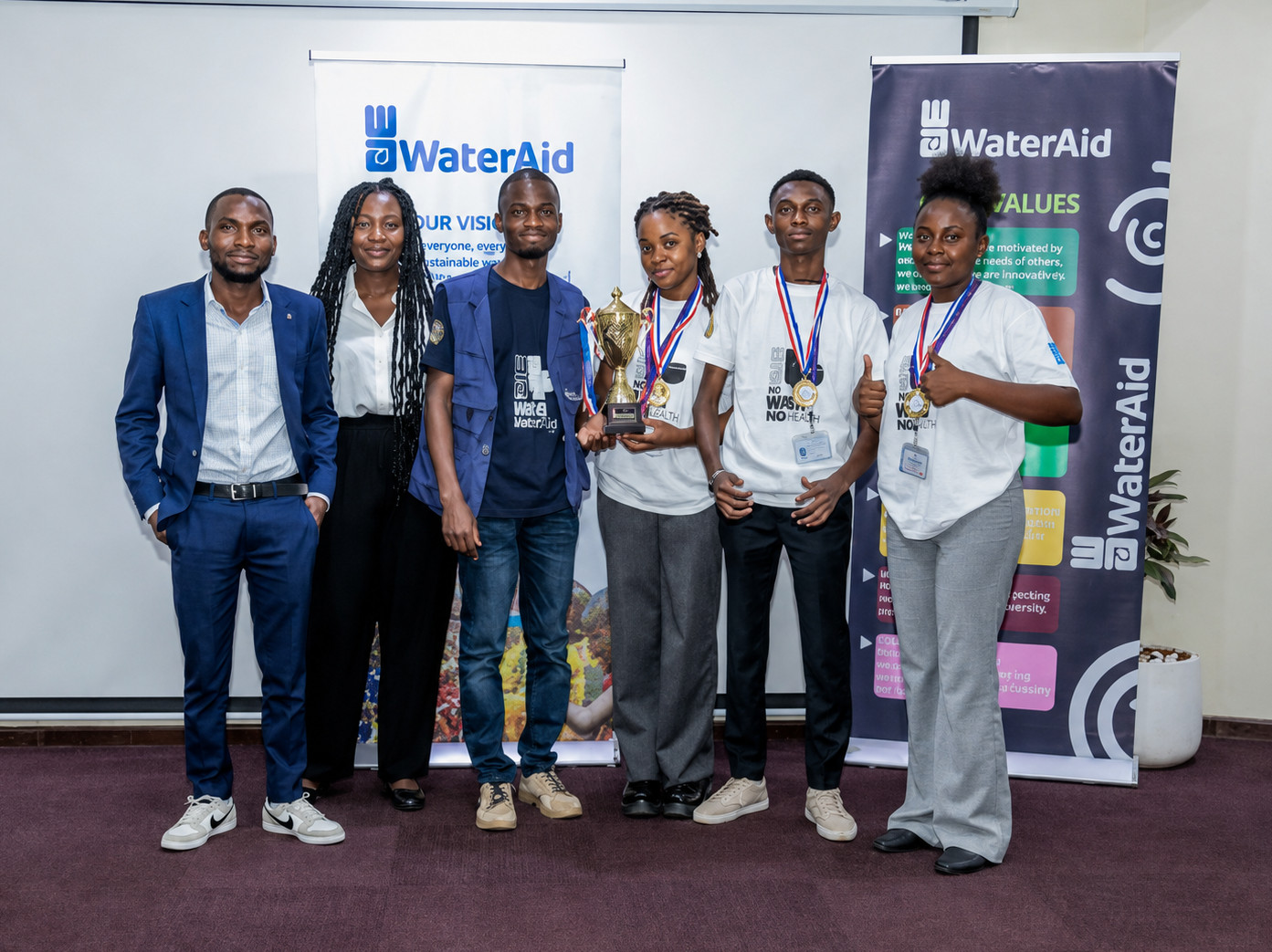
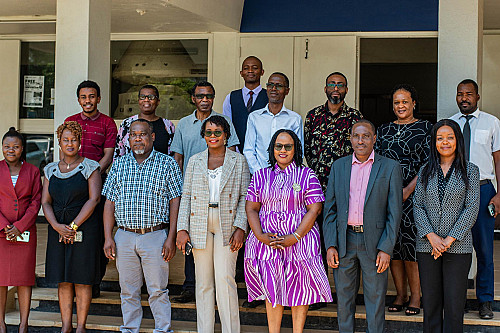
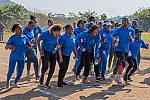
The winning team, comprising Tawonga Chisimba, Esther Mkwamba, and David Kalulu from the MUBAS Environmental Health Society, competed against teams from other higher learning institutions, including LUANAR and MUST. The challenge focused on developing innovative solutions to address pressing sanitation issues affecting communities in Malawi.
The students presented creative ideas centered on disability-friendly toilet designs, environmentally sustainable sanitation facilities, and climate-resilient sanitation solutions. These innovations were developed to address barriers to safe sanitation access while promoting environmental sustainability and resilience in the face of climate change.
Their success highlights the important role that young innovators can play in improving sanitation systems and supporting inclusive access to essential services. By prioritizing accessibility for persons with disabilities, environmental protection, and climate adaptation, the students demonstrated how innovation can help address complex sanitation challenges faced by communities.
This achievement directly contributes to Sustainable Development Goal 6 (SDG 6): Clean Water and Sanitation, which seeks to ensure the availability and sustainable management of water and sanitation for all. Through their innovative solutions, the students promoted improved sanitation infrastructure, inclusivity, and sustainable resource management, key elements of achieving universal access to safe sanitation.
The competition also provided a platform for students to apply their academic knowledge to real-world challenges while collaborating with stakeholders committed to improving public health and sanitation outcomes. Their participation reflects the growing contribution of higher education institutions in generating practical solutions that support national and global development priorities.
The victory serves as an inspiration to other students and young professionals, demonstrating that innovation and research can drive meaningful change in communities. It further reinforces MUBAS's commitment to producing graduates who are equipped to contribute to sustainable development through knowledge, creativity, and community-centered problem-solving.
The MUBAS Environmental Health Society is helping to advance SDG 6 in developing solutions that promote safe, inclusive, and climate-resilient sanitation, and create healthier, more sustainable communities for present and future generations.


Latest News
All news